Yellow Daisy Embroidery Design Review
A First Impression: Fresh, Feminine, and Thoughtfully Detailed
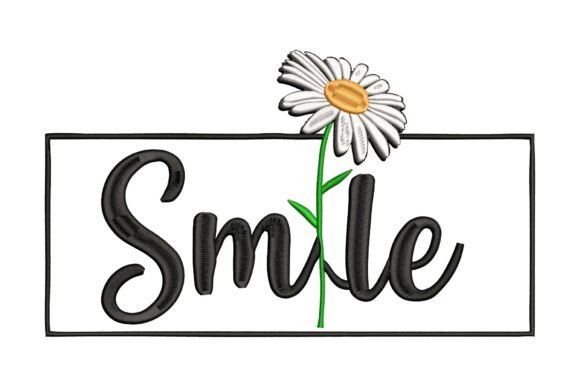
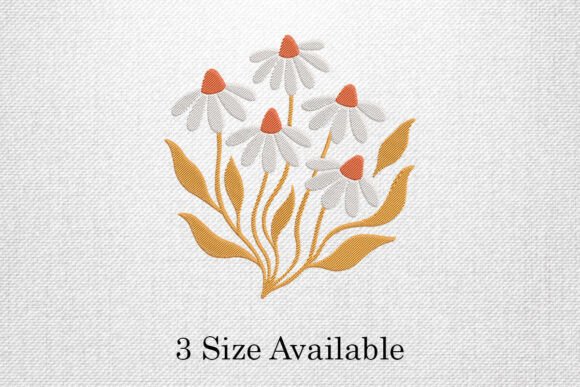
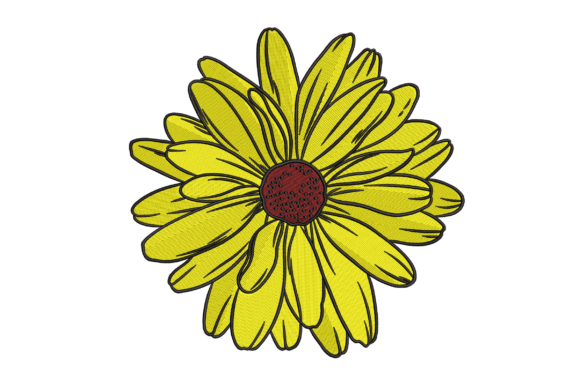
As an embroidery designer who’s developed collections for boutique apparel brands and Etsy sellers for over a decade, my first glance at Yellow Daisy told me everything I needed to know: this isn’t just another floral motif—it’s a mood. From the soft curve of its petals to the subtle texture in the center, Yellow Daisy carries a quiet confidence. It reads as feminine without being saccharine, playful without sacrificing polish, and detailed without crossing into fussy territory. In the Single Flowers Plants category, it stands out for its balanced stitch density and intentional negative space—qualities that translate beautifully to apparel. It feels premium, yes—but approachable enough for everyday wear, seasonal collections, or lifestyle branding.
Sweatshirt & Hoodie Projects: Where Yellow Daisy Truly Shines
For sweatshirt embroidery and hoodie design, Yellow Daisy is unexpectedly versatile. On neutral heather grey or oatmeal hoodies, it adds warmth and personality without overwhelming the garment’s relaxed vibe. Placed on the chest—centered or slightly off-center—it reads clean and intentional. As a sleeve accent (left cuff or upper arm), it introduces gentle visual rhythm without competing with logos or text. On oversized hoodies, its scale holds up well when sized between 3.5”–4.5”, especially when paired with lightweight stabilizer to prevent puckering on thick fleece.
For back designs on crewnecks or zip-ups, consider grouping three daisies in a soft diagonal or using Yellow Daisy as a focal point beneath minimalist typography. Its organic shape softens sharp garment lines—ideal for boutique brand storytelling that values authenticity over flash.
T-Shirts, Denim, and Tote Bags: Adapting to Texture and Tone
On cotton tees, Yellow Daisy delivers crisp definition—especially with high-contrast thread colors like butter yellow on navy or charcoal. But here’s where attention matters: on stretchy knits or ribbed fabric, always test on scrap fabric first and use cutaway stabilizer to anchor the design during stitching. The petal edges hold detail well, but dense areas (like the flower center) benefit from moderate stitch density—not too tight, not too sparse.
Denim jackets? Yes—with caveats. Use medium-weight tear-away stabilizer and reduce top tension slightly to avoid thread breakage on rigid seams. Position away from curved surfaces like shoulders or pockets unless you’ve tested hoop placement thoroughly. On canvas tote bags, Yellow Daisy becomes an instant signature—ideal for small shop product branding or handmade product packaging. Its cheerful simplicity reads clearly in lifestyle product photos and printable mockups used for Etsy listings or Instagram posts.
Seasonal & Lifestyle Applications: Beyond the Basics
I recently used Yellow Daisy across a spring capsule collection—including cozy oversized cardigans, linen-blend shorts, and even lightweight terrycloth robes. Its versatility surprised even me. On pastel hoodies, it enhances softness; on dark apparel, it pops with intentionality. Because it avoids tiny lettering or ultra-fine lines, it maintains clarity across fabric textures—from smooth poly-cotton blends to nubby bouclé.
For commercial embroidery shops serving local boutiques, Yellow Daisy is a reliable workhorse. It scales cleanly, stitches consistently across machine types, and pairs effortlessly with monogrammed initials or coordinating botanical motifs. It also supports visual consistency across product lines—whether you’re launching a new line of custom apparel or refreshing your Etsy seller storefront.
What Makes Yellow Daisy Work for Boutique Brands?
It elevates perceived value—not through complexity, but through considered execution. Customers notice when a design feels *placed*, not slapped on. Yellow Daisy invites thoughtful placement: centered on a pocket, nestled beside a seam, or repeated subtly along a hemline. That kind of intention builds buyer trust. When shoppers see consistent, professional embroidery across your small shop product range, they associate your boutique brand with care—not just craft.
And because it’s a machine embroidery design rooted in natural form—not trend-chasing graphics—it stays relevant season after season. No need to retire it when “cottagecore” fades. It simply becomes part of your brand’s visual vocabulary.
Practical Designer Notes Before You Stitch
- Always test on scrap fabric—especially if embroidering on fleece, ribbed fabric, or curved surfaces.
- Confirm your hoop size matches the design’s dimensions before hooping. If unsure, check the Creative Fabrica embroidery product details.
- Select stabilizer based on fabric weight: cutaway for knits and fleece, tear-away for stable wovens like denim or canvas.
- Review thread color contrast carefully—yellow thread on light fabric can fade visually; consider golden ochre or mustard for richer depth on ivory or beige.
- Inspect stitch density in the flower center—some machines benefit from slight tension adjustment to prevent thread nesting.
- Compare placement options digitally before stitching: chest, sleeve, back, or pocket—each changes the design’s impact.
- Verify licensing terms on Creative Fabrica before producing finished product for resale—especially for commercial embroidery or digital embroidery file redistribution.
Final Thoughts: A Thoughtful Addition to Your Embroidery Library
Yellow Daisy won’t shout—but it will resonate. For embroidery designers building cohesive, emotionally intelligent apparel collections, it offers quiet strength: a single flower that speaks volumes about care, seasonality, and brand voice. Whether you're an Etsy seller refining your product photography, a small clothing brand curating a spring drop, or a creative entrepreneur sourcing reliable embroidery file assets, Yellow Daisy earns its place—not as filler, but as foundation. It reminds us that sometimes, the most powerful statement in custom apparel is a single, sunlit bloom.